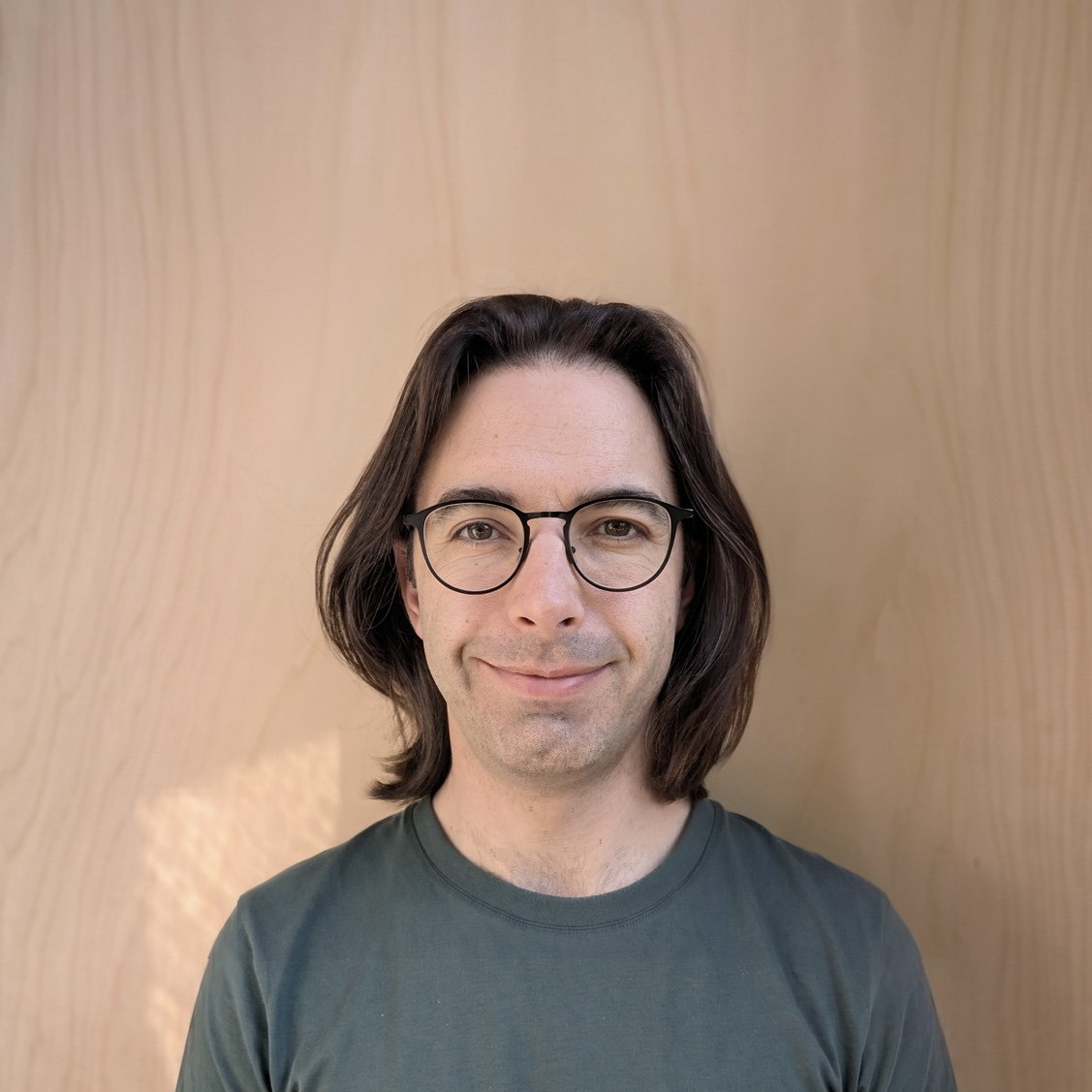
Meet the Team
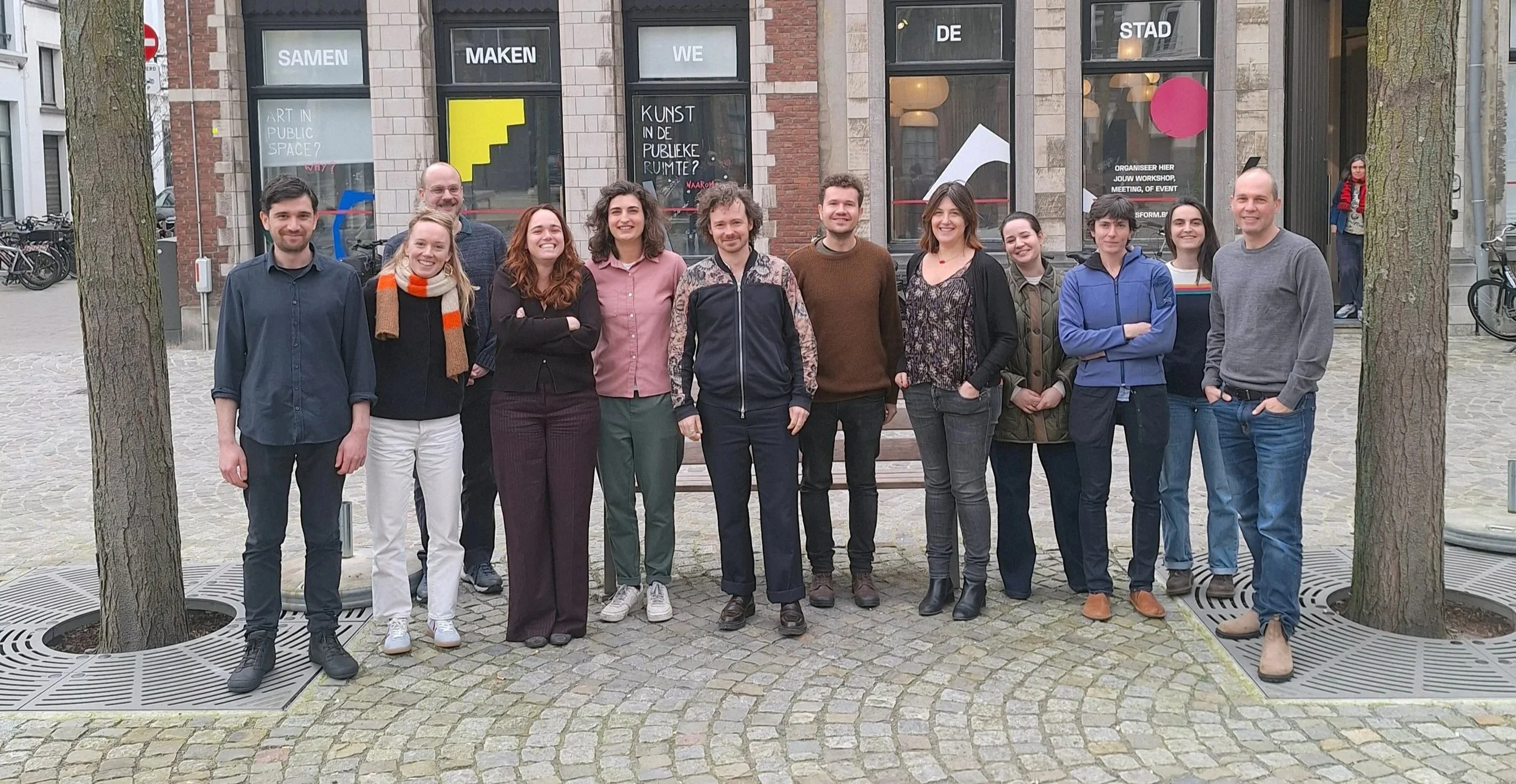
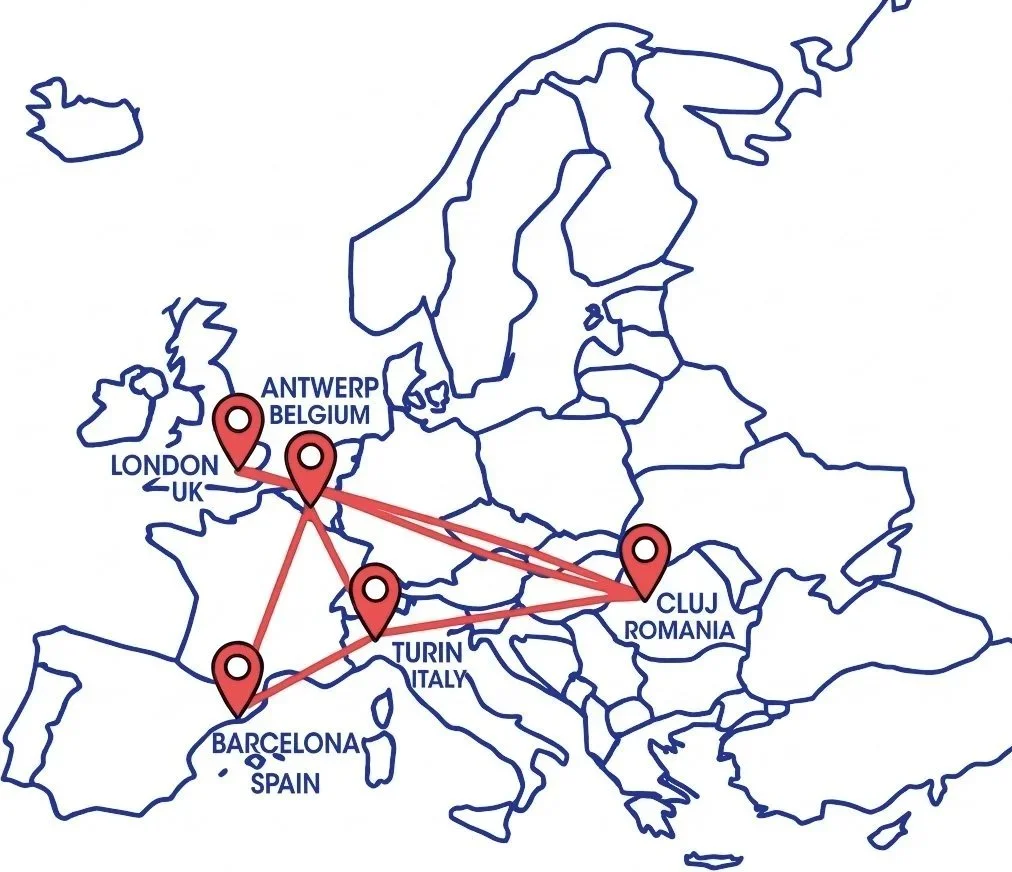
The core CO/ALIGN project team consists of Ghent University (Belgium), the University of Westminster (UK), Politecnico di Torino (Italy), Babeș-Bolyai University (Romania), and Universitat Autònoma de Barcelona (Spain), together with the cooperative consultancy firm Endeavour (Belgium). Alongside academic partners, the project team also includes public authorities, civil society organisations and practitioners. A full overview of all project partners can be found below.
Ghent University
Ghent University is an open, pluralistic and socially engaged university. It is over 200 years old, offers more than 200 programs (including 69 English-taught master's programs) and conducts in-depth research within a wide range of scientific domains. It is an institution of national importance and of significant international standing. It collaborates on a structural basis with other international education and research institutes, and has partnerships with governments, branch organizations, numerous consultancies, industry partners and companies from the small and medium business sectors. UGent has been awarded the HR Excellence in Research logo by the European Commission.
Project Coordinator
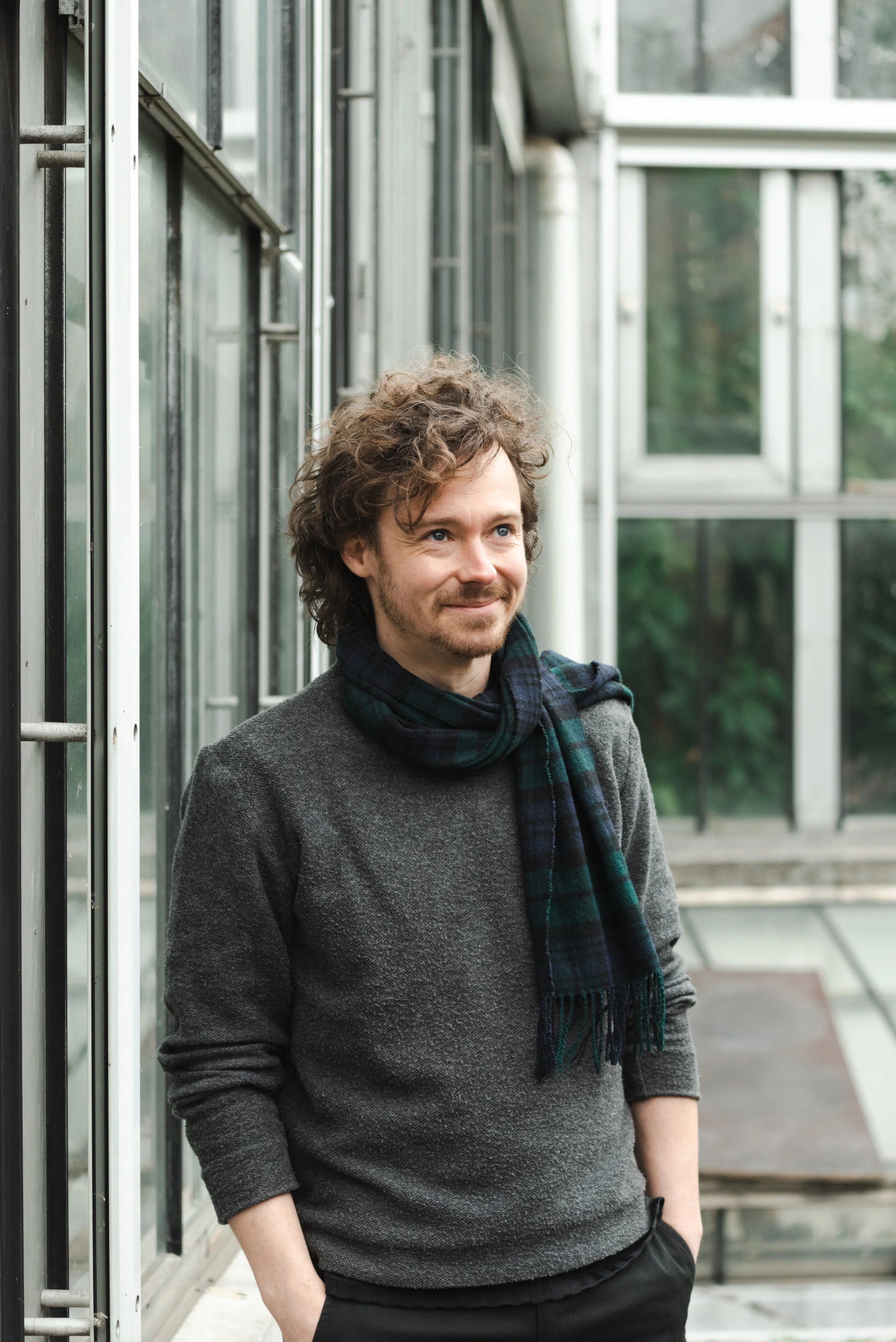
Tim Devos
Tim Devos is Assistant Professor in Spatial Planning at the Department of Mobility and Spatial Planning (AMRP), Ghent University (Belgium). He is an engineer-architect, Master of Human Settlements, and holds a PhD in Social Geography (2016) from KULeuven, Belgium, which focused on participation and coproduction in urban planning processes. Tim’s expertise and interests lie in applications of the actor-relational approach, the double connections between public governance and self-organizing initiatives, participatory planning, and the role of the urban planner and designer in a changing field. He co-founded and manages Endeavour, a team of architects, urban planners, and social scientists that aims to make the way cities are designed and planned more inclusive and sustainable through research and innovation.
Co-Researcher
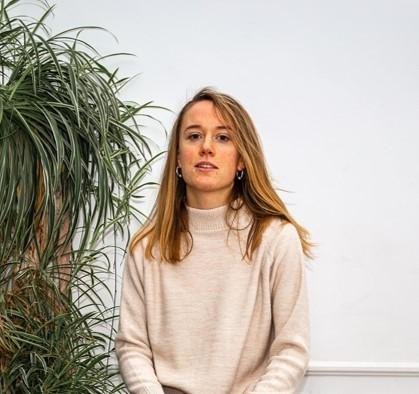
Freke Caset
Freke Caset holds a PhD in Geography (2019) from Ghent University and Vrije Universiteit Brussel, Belgium. Since 2024 she is a Postdoctoral Assistant at the Department of Mobility and Spatial Planning AMRP), Ghent University. Her interest lies in socially just transitions towards sustainable mobility systems, with disciplinary grounding in Transport Geography, Urban Geography, and Urban and Regional Planning. Freke uses both quantitative and qualitative methods in researching issues of sustainability, accessibility, and inclusion in transport. Her current work focuses on analysing the uneven socio-spatial effects of transport policies, understanding the multifaceted causes of transport-related social exclusion, and leveraging methods for communicating lived mobility expertise of minoritised groups in transport planning.
Co-Researcher
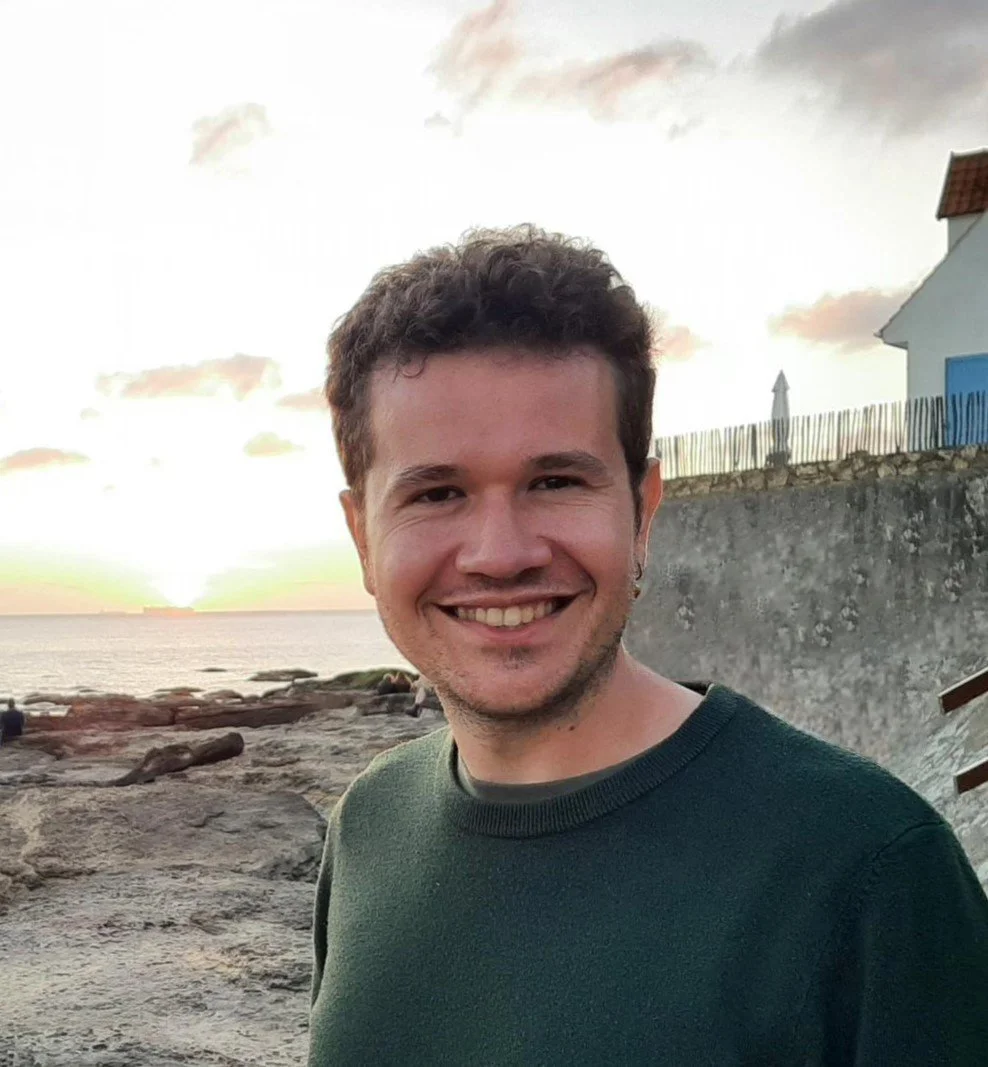
Tristan Claus
Tristan Claus is a part-time postdoctoral researcher at the Department of Mobility and Spatial Planning (AMRP) at Ghent University and a part-time research assistant in the Planning for People, Urbanity and Landscapes (P.PUL) research group at KU Leuven. After working as the national ESPON and URBACT contact point at Ghent University, he completed his PhD at the Department of Architecture at KU Leuven, focusing on how individual development interests are articulated into planning legislation. This work fostered Tristan’s strong interest in how bottom-up interactions between private and public actors can influence dominant institutional trajectories in planning systems, shaped by legitimacy challenges surrounding newly designed institutions and by mass media framing. In addition to the CO/ALIGN project, Tristan is currently working on a Dutch-language publication for a broad audience based on his doctoral research.
University of Westminster
The University of Westminster (UoW) is a globally connected university based in the heart of London, with a strong commitment to impactful research and socially engaged scholarship. It has a longstanding tradition in transport planning, urban mobility, and participatory urban planning and design. The Transport and Mobilities Research Group at UoW is internationally recognized for its expertise in urban accessibility, mobility justice, and community-driven interventions. The university actively collaborates with civil society organizations, local and regional authorities, and international research partners to address pressing urban challenges. Its research is informed by a strong ethos of inclusivity and public engagement, and contributes to policy innovation at multiple governance levels.
Co-Researcher
Enrica Papa
Enrica Papa is Professor of Transport Planning at the University of Westminster. Her research sits at the intersection of urban planning, mobility and accessibility, with a focus on how cities can become fairer, more sustainable and better connected. She has extensive experience in European research projects on the 15-minute city, mobility justice, street transformation, school streets, transport poverty and accessibility planning.
In CO/ALIGN, Enrica contributes expertise on proximity-based urban transitions, civil society organisations and the role of coalitions in shaping more inclusive and sustainable neighbourhoods. She leads the University of Westminster team and supports the development of the CSO survey, mapping activities and the project atlas. Her work is particularly concerned with how bottom-up initiatives, local knowledge and collaborative forms of planning can support transformative urban change.
Co-Researcher
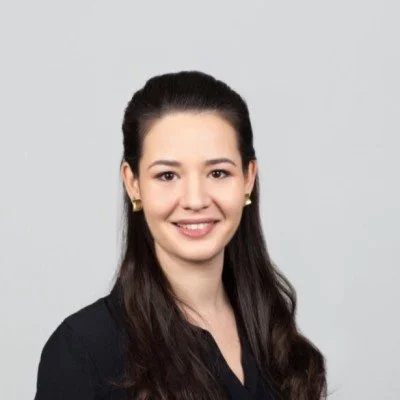
Sabina Cioboata
Politecnico di Torino
Founded in 1906, Politecnico di Torino (PoliTo), is one of the most important universities in Europe for engineering and architecture studies, strongly committed to collaboration with industry and civil society. Currently it is among the top Engineering and Technology universities in the world, the 20th in Architecture and Built Environment according to the QS University Rankings 2024 by broad Subject. In the FP7 funding scheme, PoliTo had more than 230 approved projects with a total EU contribution of €66 million, ranking among the top 200 entities participating in FP7; in H2020 it has over 170 projects with a total EU contribution of €70 million. Within PoliTo, the Interuniversity Department of Regional and Urban Studies and Planning (DIST) is the result of a joint venture between Politecnico and the University of Turin. Its core mission focuses on educational and research activities in the field of urban studies, spatial planning, and the built environment.
Co-Researcher
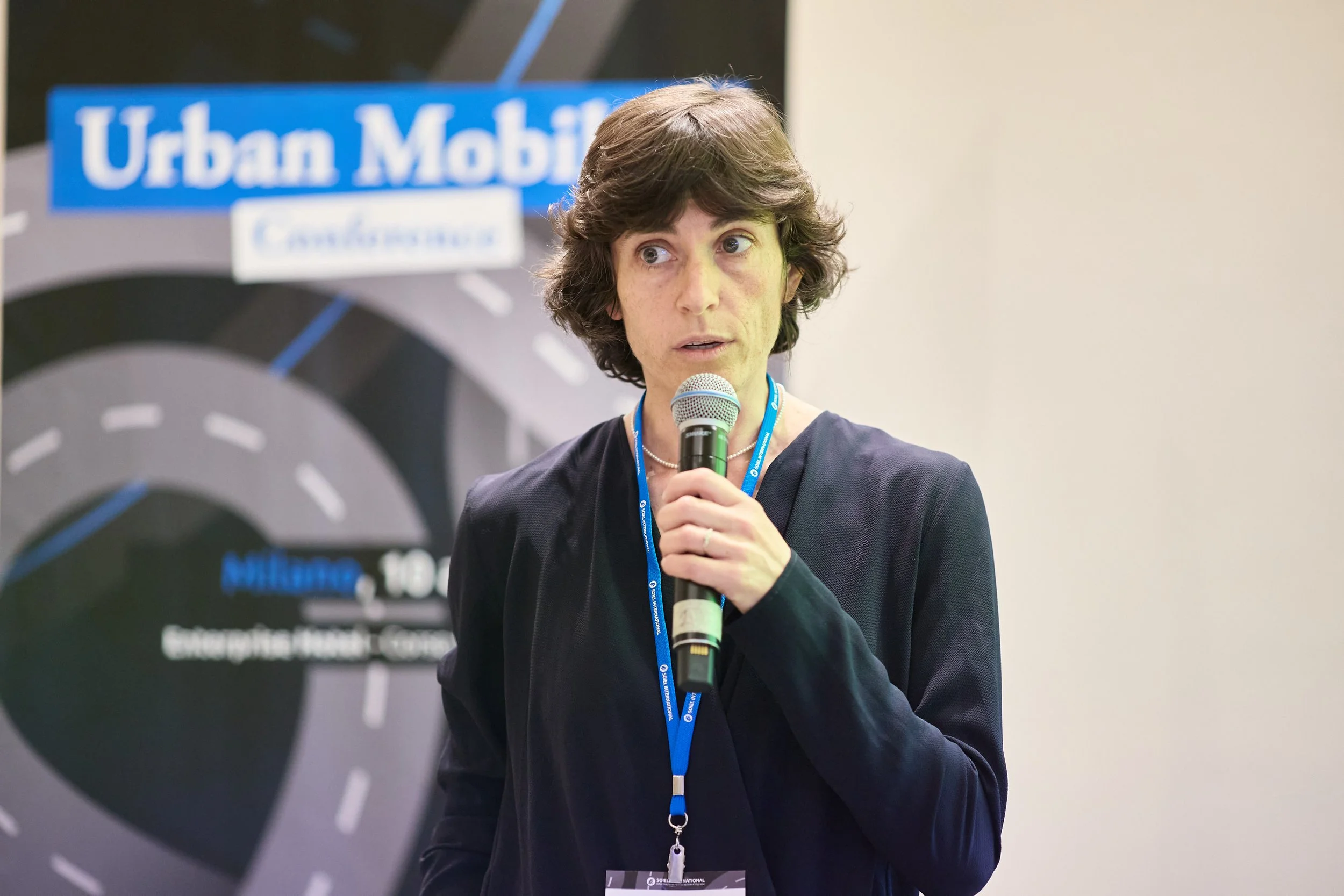
Elisabetta Vitale Brovarone
Elisabetta Vitale Brovarone is Associate professor in spatial planning at the Interuniversity Department of Regional and Urban Studies and Planning (DIST), Politecnico di Torino. She studied Architecture and holds a PhD in Territorial Planning and Local Development (2010) at the Politecnico di Torino, which focused on theoretical and conceptual foundations of land use-transport interaction. Her research focuses on spatial justice, mobility and accessibility, with various approaches, at different scales, in urban and rural contexts. She also works on governance and local development in metropolitan, rural and mountain areas.
Co-Researcher
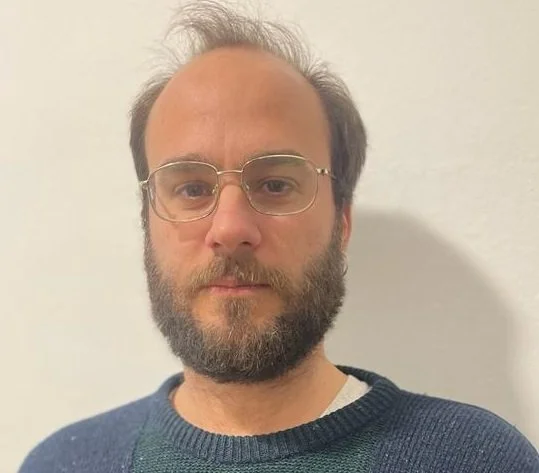
Gabriele D’Adda
Gabriele D’Adda is a Post-Doc researcher at the DIST – Interuniversity Department of Regional and Urban Studies and Planning. He obtained a PhD in Law from Kent Law School and a PhD in Political Science from the University of Catania. During his career, he developed a multidisciplinary perspective combining critical legal studies, political science, and urban studies. He conducted several research projects on the housing crisis, the right to the city, mobilty and spatial justice, becoming an expert in collaborating with civil society and grassroots organizations.
Co-Researcher
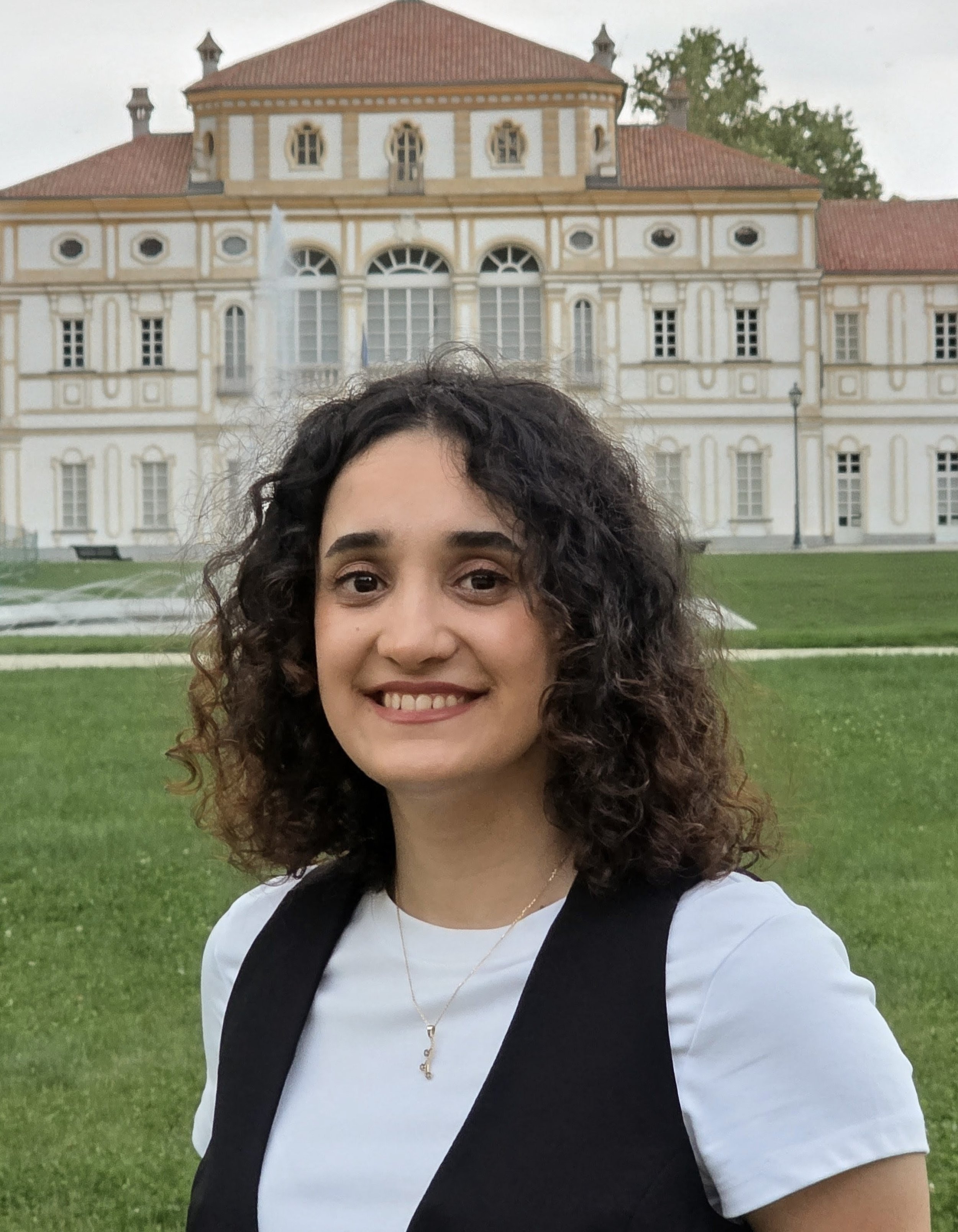
Aida Shaneh
Aida Shaneh is a Ph.D. researcher in Urban and Regional Development at the Interuniversity Department of Regional and Urban Studies and Planning (DIST), Politecnico di Torino. Her research explores the intersections of sustainable mobility, spatial governance, and mobility justice. Her doctoral research focuses on active mobility and autonomy of adolescents through the lens of mobility justice, using a mixed-methods approach that combines quantitative and qualitative methods. With a background in urban and regional planning, she adopts an interdisciplinary approach to connect policy, planning, and practice to advance more inclusive urban mobility solutions.
Co-Researcher
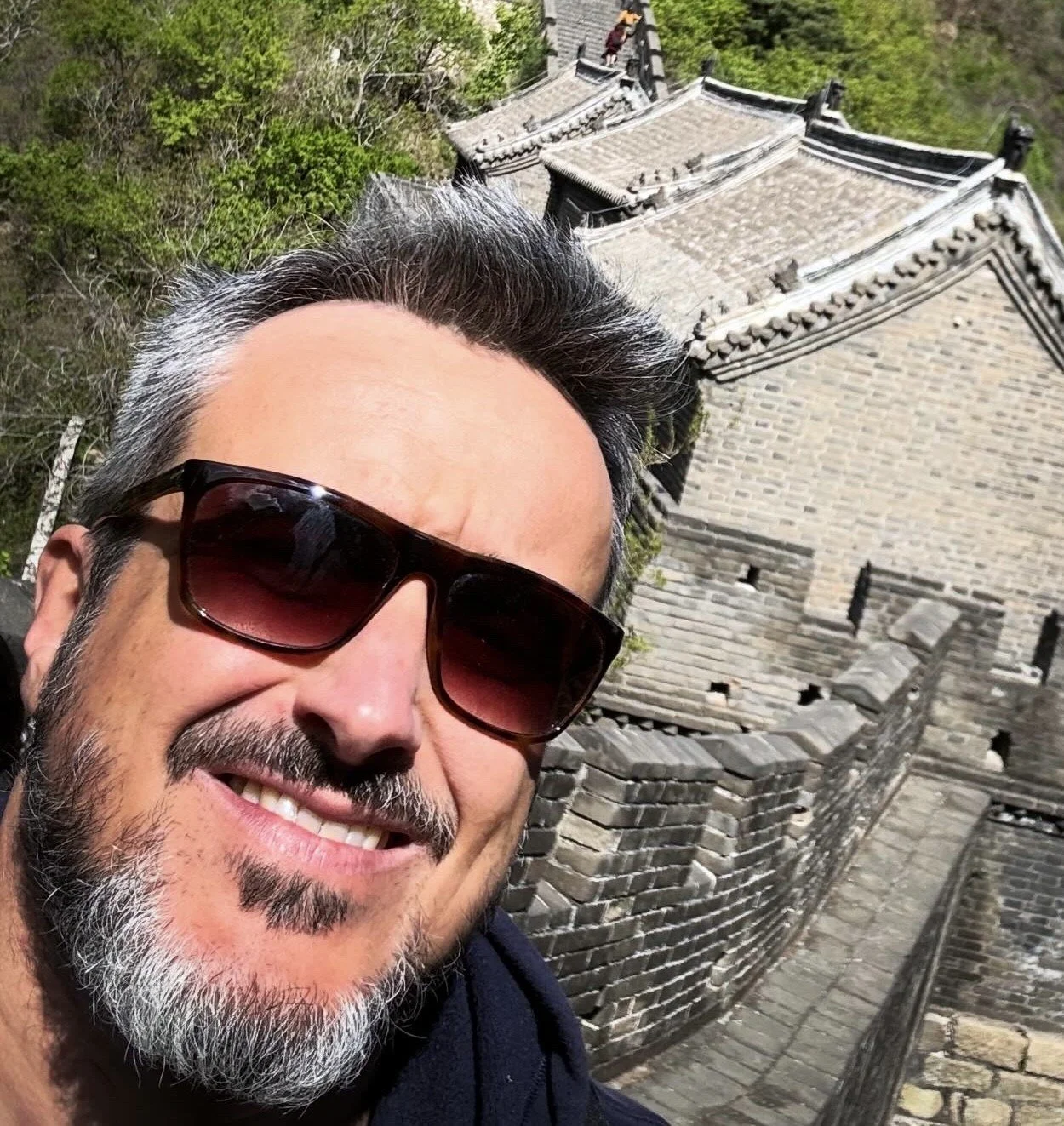
Giancarlo Cotella
Giancarlo Cotella is Full Professor in Urban and Regional Planning at Politecnico di Torino. His research positions with comparative spatial planning studies, with particuarl reference to the mutual influences linking the European Union and the Member states. He coordinated and took active part to numerous international research projects, and recently authored The Handbook of Territorial Governance (with Umberto Janin Rivolin), Spatial Planning Systems in Europe. Comparison and Trajectories (with Vincent Nadin and Peter Schmitt) and Spatial Governance and Planning in Latin America. A Comparative Account (with Juan Cabrera and Francesca Blanc). Since 2023, he serves as Secretary General of the Association of European Schools of Planning (AESOP).
Babeș-Bolyai University
Babeș-Bolyai University (BBU) is Romania’s largest and most prestigious public higher education institution. With over 45,000 students, 21 faculties, and more than 1,000 academic staff involved in research, BBU is an advanced research university with a strong tradition of interdisciplinary, international, and public-interest scholarship. The university has a long-standing reputation in the social sciences and humanities, and hosts nationally recognized centers in sociology, urban studies, and data science. BBU is committed to engaging in applied research that addresses regional inequalities, spatial justice, and governance innovation in Central and Eastern Europe. It actively collaborates with local public authorities, civil society actors, and international networks to support evidence-based policy development and urban transformation.
Co-Researcher
Norbert Petrovici
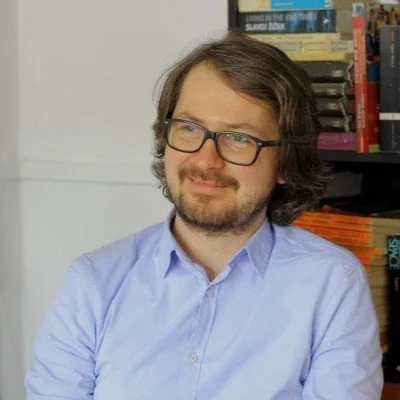
Norbert Petrovici is Associate Professor of Sociology at Babeș-Bolyai University and Director of the Centre for the Interdisciplinary Study of Data. His research focuses on urban and regional inequality, urban economic governance, and post-socialist urban transformation. He combines statistical, ethnographic and qualitative research to examine how institutions, infrastructures and public policies shape urban life and regional economies.
In CO/ALIGN, Norbert brings expertise in urban inequality, coalition analysis and participatory urban research. He leads the Babeș-Bolyai University team and the Cluj case study, working on how civil society organisations, public institutions and knowledge actors can develop more inclusive approaches to mobility and public space.
Co-Researcher
Vlad Alexe
Vlad Alexe is a PhD candidate in Sociology at Babeș-Bolyai University. His research focuses on commuting, urban mobility and metropolitan development, with particular attention to the links between urban form, spatial inequality and everyday movement. He combines mobility data, spatial analysis, network analysis and qualitative research.
In CO/ALIGN, Vlad works on the study of coalitions between civil society organisations, public institutions and knowledge actors. His work examines how these actors are connected, how their relations develop around specific urban issues, and how local initiatives engage with wider governance processes.
Universitat Autònoma de Barcelona
The UAB is one of Spain’s largest and most prestigious universities, ranked third in Spain according to the Times Higher Education World University Rankings 2025. The Institute for Environmental Science and Technology (ICTA-UAB) is one of Spain’s leading research institutes, internationally recognized multidisciplinary center that promotes research and postgraduate training in environmental sciences. ICTA-UAB conducts advanced research in 21 lines of research in environmental sciences and has been accredited as a Maria de Maeztu Unit of Excellence since 2015, a seal of excellence from the Spanish Ministry of Science. The level of the research at ICTA-UAB is extraordinarily high. In 2023, ICTA-UAB raised 21% of the UAB research funding while only having 1% of the research staff, and since 2020 have hosted 9 European Research Council (ERC) grants.
Co-Researcher
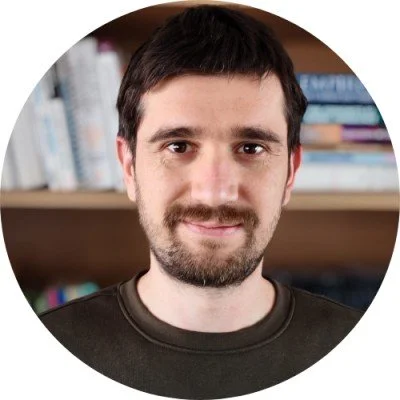
Jordi Honey-Rosés
Co-Researcher
Jerònia Cubells
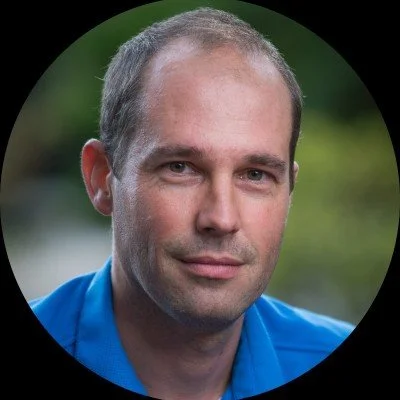
Jerònia Cubells is a postdoctoral researcher at the Institute for Environmental Science and Technology (ICTA-UAB), where she works on the CO/ALIGN project. Her research bridges urban geography, mobility studies, and social and environmental justice, with a strong grounding in intersectional theory. She holds a PhD in Geography from the Universitat Autònoma de Barcelona (UAB). Her dissertation examined how intersecting identities influence mobility patterns and shape inequalities in well-being and environmental impacts. Jerònia has a background in Environmental Science (Universitat de Barcelona) and a Master’s degree in Sustainability Studies (UAB). She combines quantitative spatial analysis with qualitative and participatory research methods to address urban planning and mobility issues.
Co-Researcher
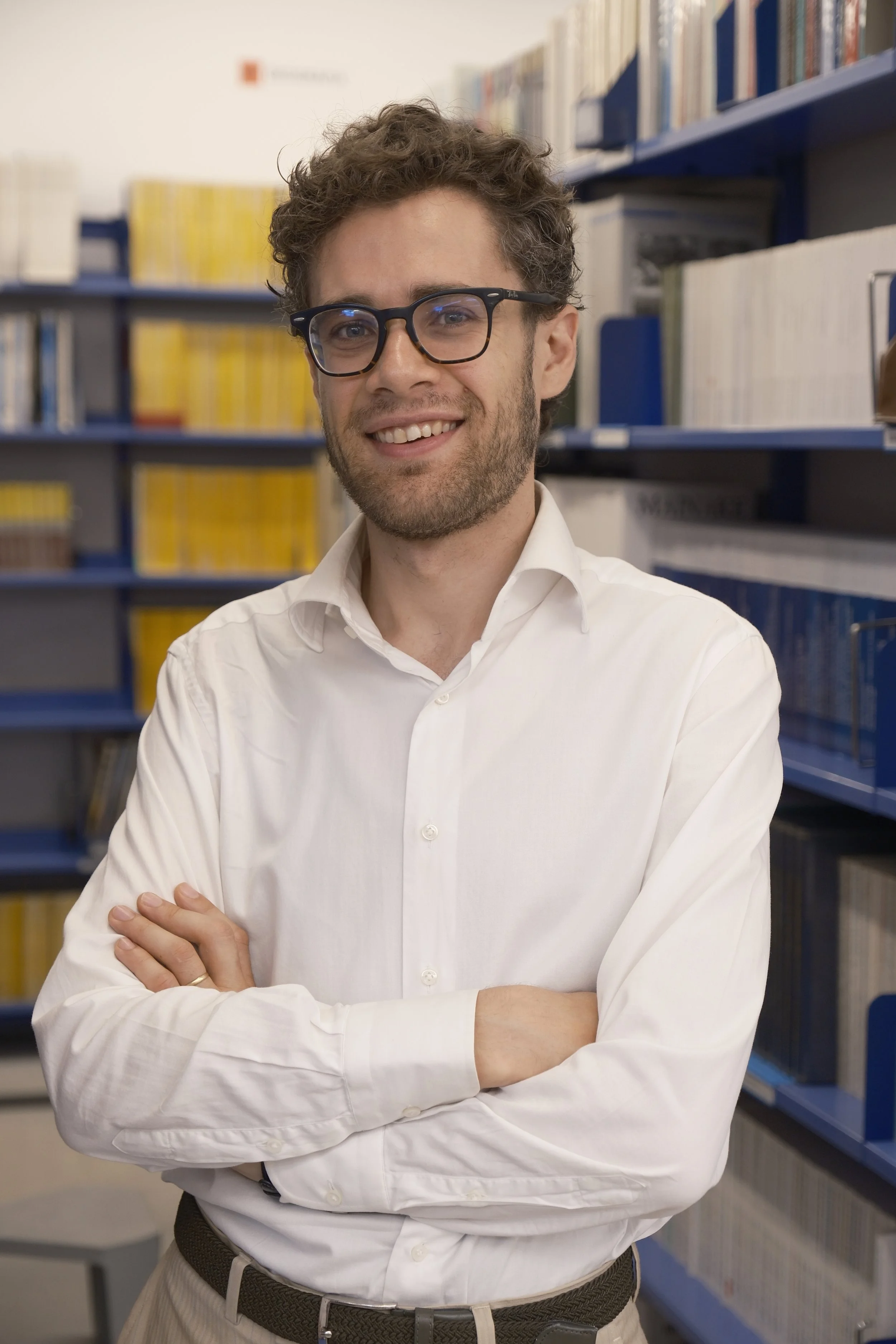
Samuel Nello-Deakin
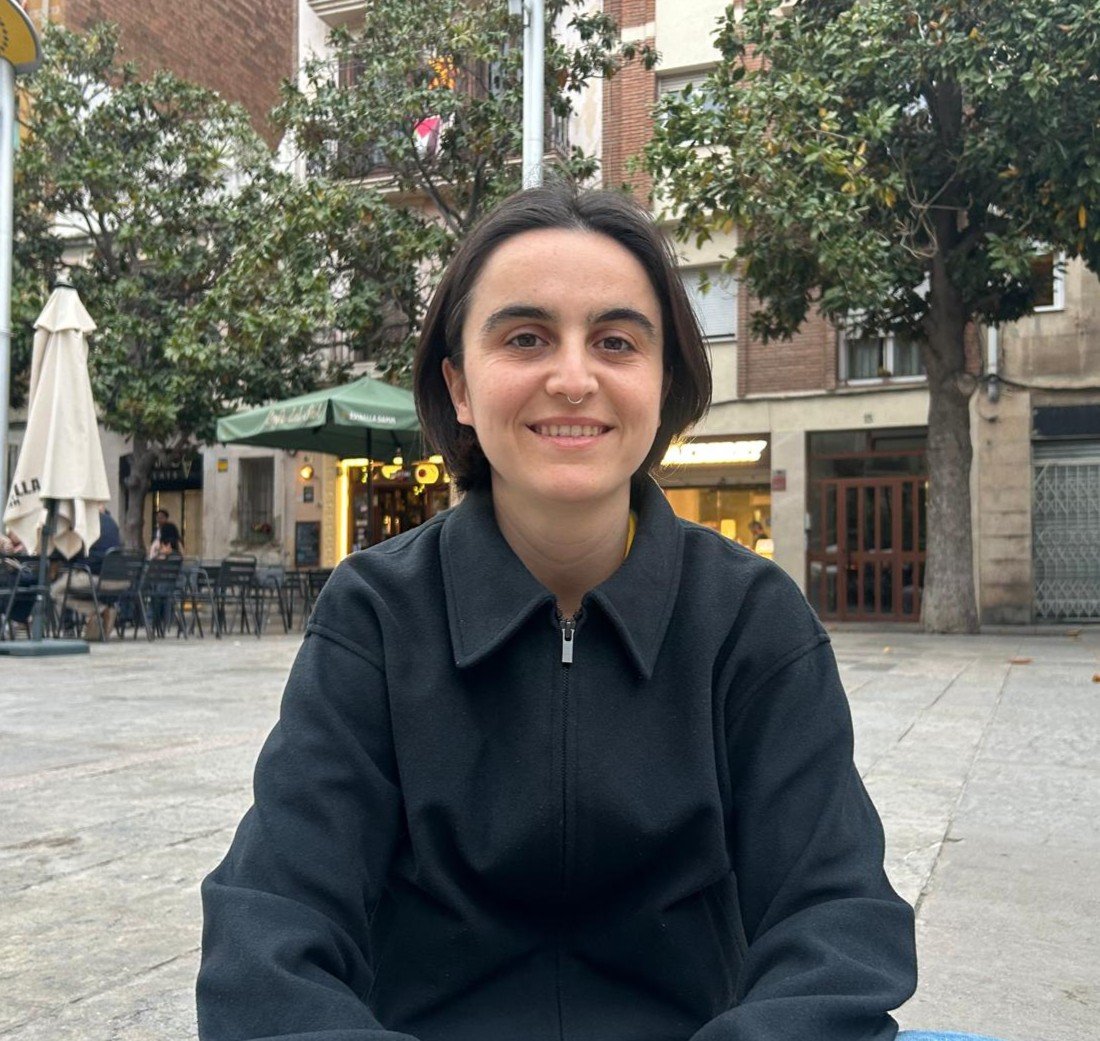
Samuel Nello-Deakin is a geographer and urban planner currently based at the Institute for Environmental Science and Technology (ICTA) at the Autonomous University of Barcelona (UAB). His research expertise combines qualitative and quantitative approaches to urban planning and mobility issues from a spatial perspective, with a particular focus on the interactions between urban processes, active mobility, and public space. His recent research has focused on street transformations and their impacts on public space and urban mobility.
Co-Researcher
Jamie Faulstich
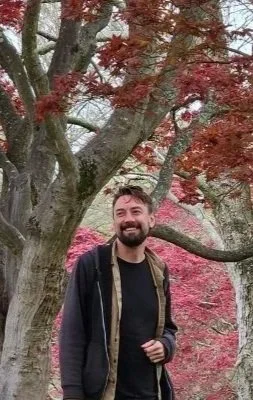
Jamie Faulstich is currently completing a Master’s in Urban Resilience for Sustainability Transitions at the Universitat Internacional de Catalunya. He has a background in Urban Planning with a BSc in Urban and Regional Studies, a strong interest in cycling and active transportation, and previous experience working on Vision Zero traffic safety initiatives. With City Lab at ICTA-UAB he is working on the CO/ALIGN project researching how civil society organizations collaborate with other groups to achieve neighborhood transformations.
Endeavour
Endeavour is a cooperative consultancy firm based in Antwerp, was established in 2014 and specializes in socio-spatial co-creation. With a mission to create cities “for everybody, by everyone”, Endeavour has extensive experience in designing and facilitating participatory processes both in Flanders and internationally. The firm has played a key role in co-creating local and regional mobility transition processes and has conducted transdisciplinary research on the behavioral aspects of mobility. Two years ago, it launched the Endeavour Academy to share its accumulated knowledge on co-creation methods with planners, architects, activists, and government professionals. Endeavour has sub-contracted CSO Recht op Lucht as partner for Antwerp Living Lab activities.
SME Partner
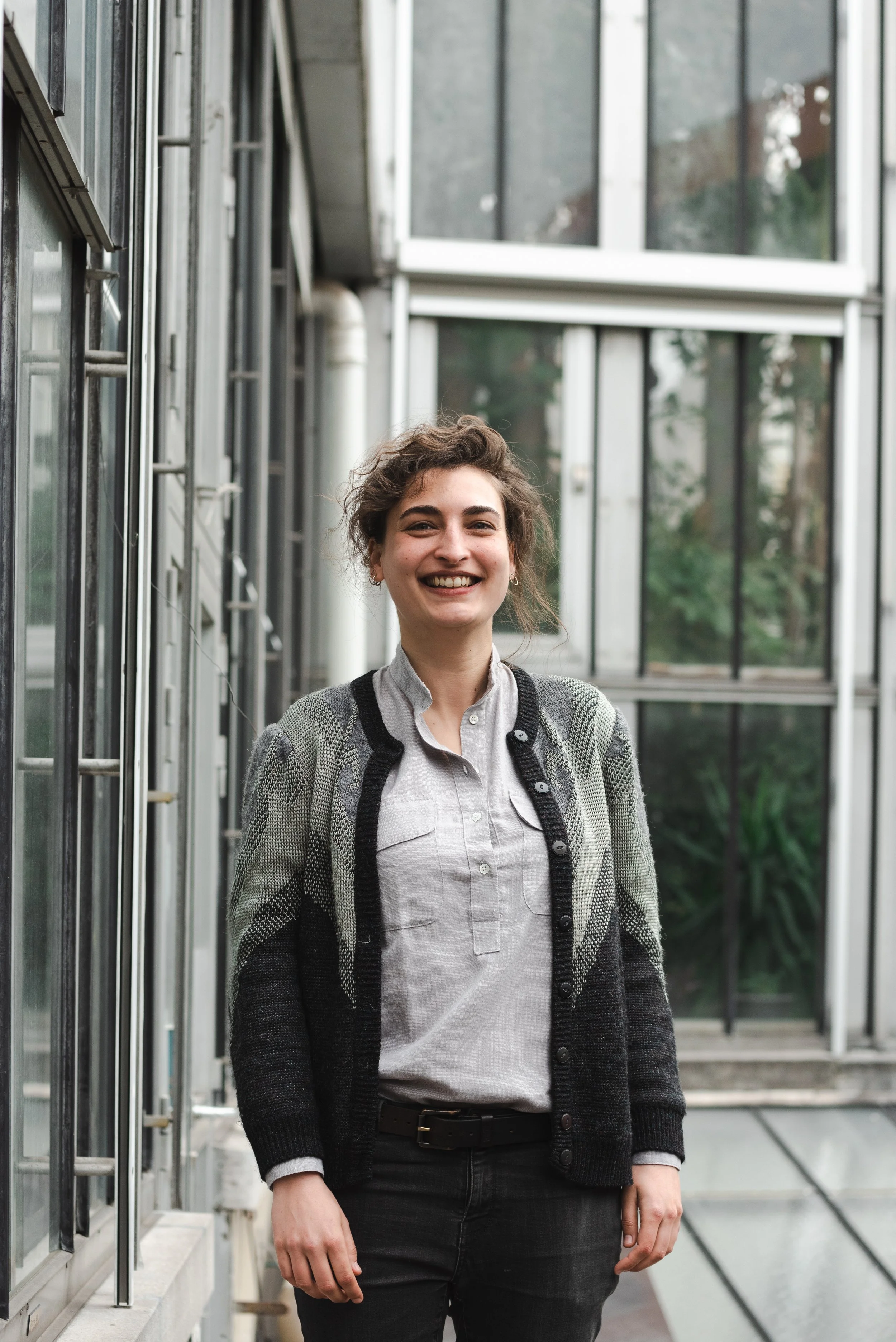
Jiska Gysels
Jiska Gysels is an engineer-architect with broad expertise in mobility, urban planning, stakeholder engagement, and participatory urban transitions. She has been working at the socio-spatial research cooperative Endeavour for more than five years, where she focuses on collaborative urban projects and inclusive planning processes.
Jiska is skilled in translating complex urban challenges into accessible narratives for policymakers, stakeholders, and citizens. She was editor-in-chief of Making Space Together, a publication highlighting, among other topics, the role of civic movements in urban planning. She also volunteered with the Brussels-based civil society organisation Filter Café Filtré, advocating for healthier, safer, and more child-friendly cities.
With her strong expertise in participatory processes, Jiska plays a key role in stakeholder management, mediation, and policy advisory work, helping to shape inclusive and transparent urban transitions.
She holds a Master of Science in Engineering: Architecture, a micro-credential in environmental mediation, and a postgraduate degree in International Research Journalism.
SME Partner
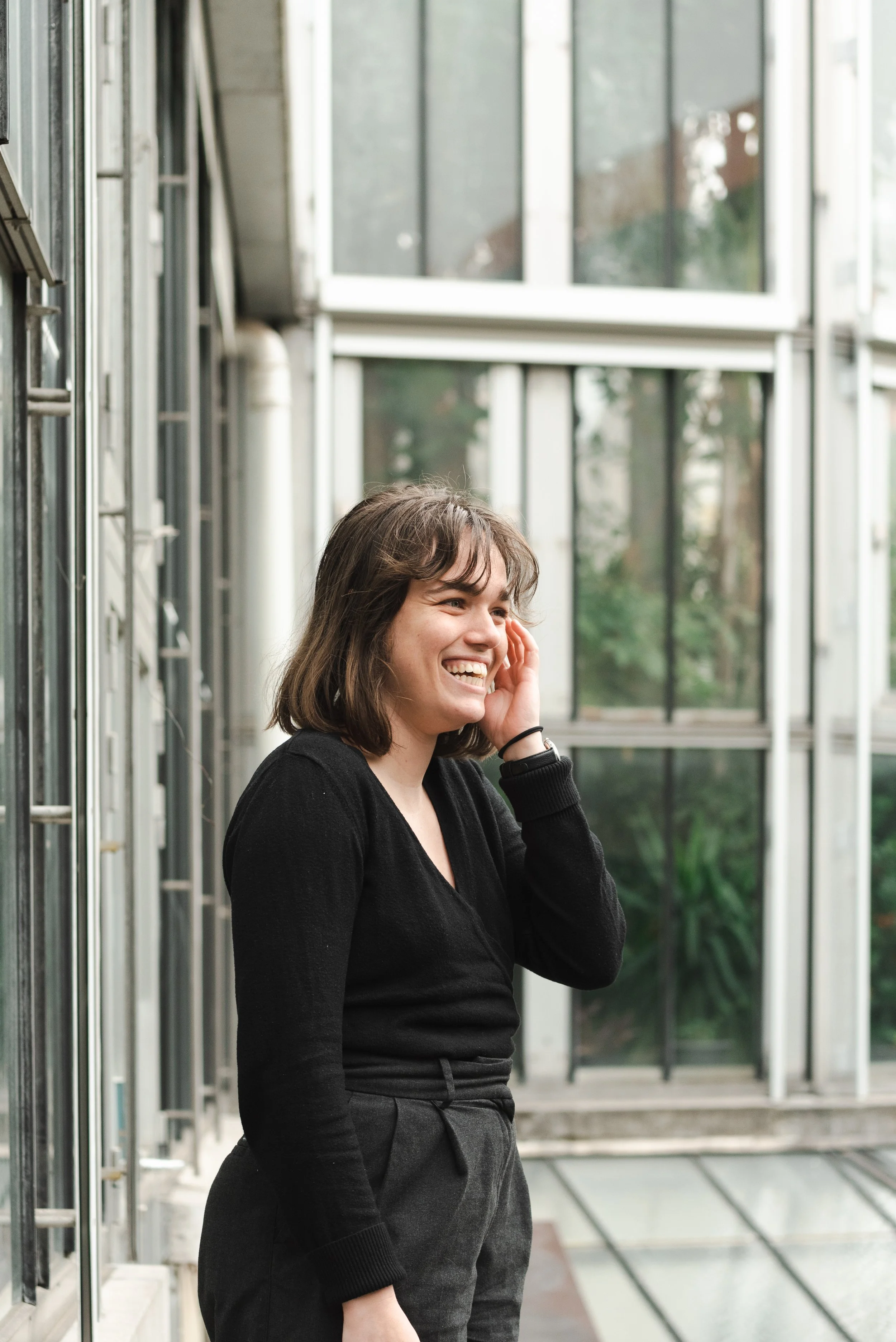
Caroline Thaler
Recht op Lucht
Recht op Lucht (RoL) is a citizen movement based in Antwerp (founded in 2020), Flanders, dedicated to advocating for a healthier urban environment. The group's core objectives include ensuring clean air for all, creating safe and vibrant streets where children can play and neighbors can interact, and establishing accessible green spaces within a short walking distance from every residence. Recognizing the detrimental health effects of air pollution in Antwerp, such as respiratory diseases and increased mortality rates, Recht op Lucht actively engages in initiatives like conducting air quality measurements, supporting car-restrictive measures, and organizing public campaigns. They also hold authorities accountable by filing complaints and lawsuits to prompt policy changes aimed at improving air quality and overall urban livability.
CSO Partner
Inge Salden
Inge is looking for fresh air—literally and figuratively, working to create a better city, where everyone feels at home and sustainability is the norm. Coordinator at Recht op Lucht/OpenStratenDag. Holds a master’s degree in visual arts and is a mobility expert.
Within CO/ALIGN, Inge has been given the opportunity to work for Recht op Lucht for a period of three years. She is working to strengthen the organization and expand OpenStratenDag and set up similar actions and living labs. The goal is to forge coalitions that accelerate the transition to sustainable mobility.
Possible
Possible (founded in 2009) is a prominent civil society organization based in London, dedicated to addressing climate change through grassroots mobilization, community-led interventions, and advocacy campaigns. The organization has extensive experience in collaborating with local communities, public authorities, and policy-makers to create inclusive and sustainable urban environments. It specializes in implementing tactical urbanism projects, advocating for pedestrian-friendly streets, car-free initiatives, and green community spaces.
CSO Partner
Izzy Romilly
CSO Partner
Carolyn Axtell
CSO Partner
Hirra Khan
LAboratorio Qualità Urbana e Partecipazione (LAQUP)
LaQUP APS (founded in 2006) is a civil society organization based in Turin, dedicated to promoting the culture of urban sustainability through participatory processes. The organization has helped regional, metropolitan and local authorities reach out to local communities and schools in order to imagine and produce change in public spaces with a specific focus on areas around schools and small forgotten spaces the deserve more attention. LaQUP’s mission is to create healthier, greener, more lively, car-free streets where people walk and bike safely, socialize and spend time together.
CSO Partner
Mario Bellinzona
Mario Bellinzona is a board member of LaQUP aps (laqup.it), a Turin-based CSO whose mission is to promote the culture of urban sustainability through participatory processes.
Since 1998 he has been working as an urban acupuncturist, applying participatory design and planning techniques with a focus on the relationship between public spaces and local communities, especially children.
He was a speaker at various international conferences (ECOMM, Florence/2014 and Utrecht/2015, WALK 21, Vienna/2015 and Lisbon/2024, La ville autrement, Dunkerque/2017, Premières Assises des espaces publics, Paris/2018) and is a member of the RUES network (https://rue-avenir.ch/qui-sommes-nous/reseau-rues/) and an overseas consultant of the Planning for Real Unit.
Clujul Sustenabil
Clujul Sustenabil (founded in 2020) is a non-governmental organization promoting participatory governance, climate awareness, and inclusive urban development. It acts as an ecosystem catalyst through multi-stakeholder platforms that engage citizens, experts, and public authorities in dialogue and co-creation.
CSO Partner
Marius Cornel Mornea
CSO Partner
Diana Bobiș
Diana Bobiș is a degrowth activist and early career researcher. She’s gost a bachelor degree in economics and two masters in Environmental Science and Degrowth and Political Ecology respectively. She is working in sustainability projects of different scales but always prefers involvment in grassroot organizing and community building.
In CoAlign, Diana is supporting the data collection via interviews or other methods, and liaising local actors with the project via informal talks, participative workshops or community events.

Bicicleta Club de Catalunya (BACC)
The BACC (Bicicleta Club de Catalunya) is a non-profit civil society organisation that promotes cycling as a key component of healthier, more sustainable and more equitable cities. Founded in Barcelona, BACC works to advance everyday cycling through advocacy, public campaigns, research, citizen participation and collaboration with public institutions and other stakeholders. Its work addresses a broad range of topics related to sustainable mobility, including cycling infrastructure, road safety, bicycle theft prevention, active mobility, public space and behavioural change. BACC also develops projects and initiatives aimed at strengthening cycling culture and supporting the transition towards more people-centred urban environments. Within CO/ALIGN, BACC contributes practical experience in civic engagement and coalition-building, bringing insights from grassroots action and citizen-led mobility initiatives into collaborative processes and policy development.
CSO Partner
Clementine Suraud Kiffer
Clementine Suraud Kiffer is a mobility project coordinator, communication specialist and civil society advocate working at the intersection of sustainable mobility, cycling and participatory urban change. As a representative of BACC – Bicicleta Club de Catalunya in CO/ALIGN, she contributes practical experience in building bridges between civic initiatives, research and public institutions. She coordinated a multi-actor initiative addressing bicycle theft in Barcelona, bringing together researchers, public administrations, police authorities and civil society organisations to co-develop shared responses.
She also collaborates with CityLab Barcelona (ICTA-UAB) and is involved in grassroots movements supporting active mobility and fairer public space allocation, including La Revolta Escolar. Her work focuses on participation, communication and collaborative approaches to urban mobility transitions.

Metapolis
Metapolis is a practice of architecture, urbanism, mobility, and landscape planning, working at the confluence of city and nature. Metapolis co-designs spatial strategies and living environments, rooted in a critical reading of their socio-ecological and institutional context. In CO/ALIGN, Metapolis contributes to the design component of the Cluj Living Lab - scenario development, spatial visualization, and prototyping of mobility interventions - building on its experience with soft-mobility and blue-green infrastructure projects in Cluj, such as the Someș River Metropolitan Corridor.
SME Partner
Mircea Munteanu
Mircea Munteanu is lead urbanist and co-founder of Metapolis and researcher at KU Leuven. In Cluj he directs projects such as the Someșul Mic Sustainable Mobility Corridor, East Park, Cetatuia Park and the Metropolitan Blue-Green Network Strategy. His work focuses on co-design methodologies, site-specific spatial interventions, and bridging the gap between civic imagination and technical feasibility in urban mobility planning.